

Field Notes: Pantabangan-Carranglan Watershed, Luzon Island, Philippines.
Insights from a waterlogged expedition

I came down from the upland forests of the Pantabangan-Carranglan Watershed Forest Reserve a week ago, and only now have my trusty boots begun to dry; that unmistakable waft of “wet shoe” is finally untraceable in the air. The country is still well within the clutches of habagat, the southwest monsoon, and any given day threatens a downpour. Our trip was no exception, with most of it spent entirely waterlogged. To study a forest properly, one must expect to be fully drenched at least half the time; otherwise, you risk missing out on fully half the interactions that occur throughout a given year. While absolutely miserable in the moment, the results are always exciting!
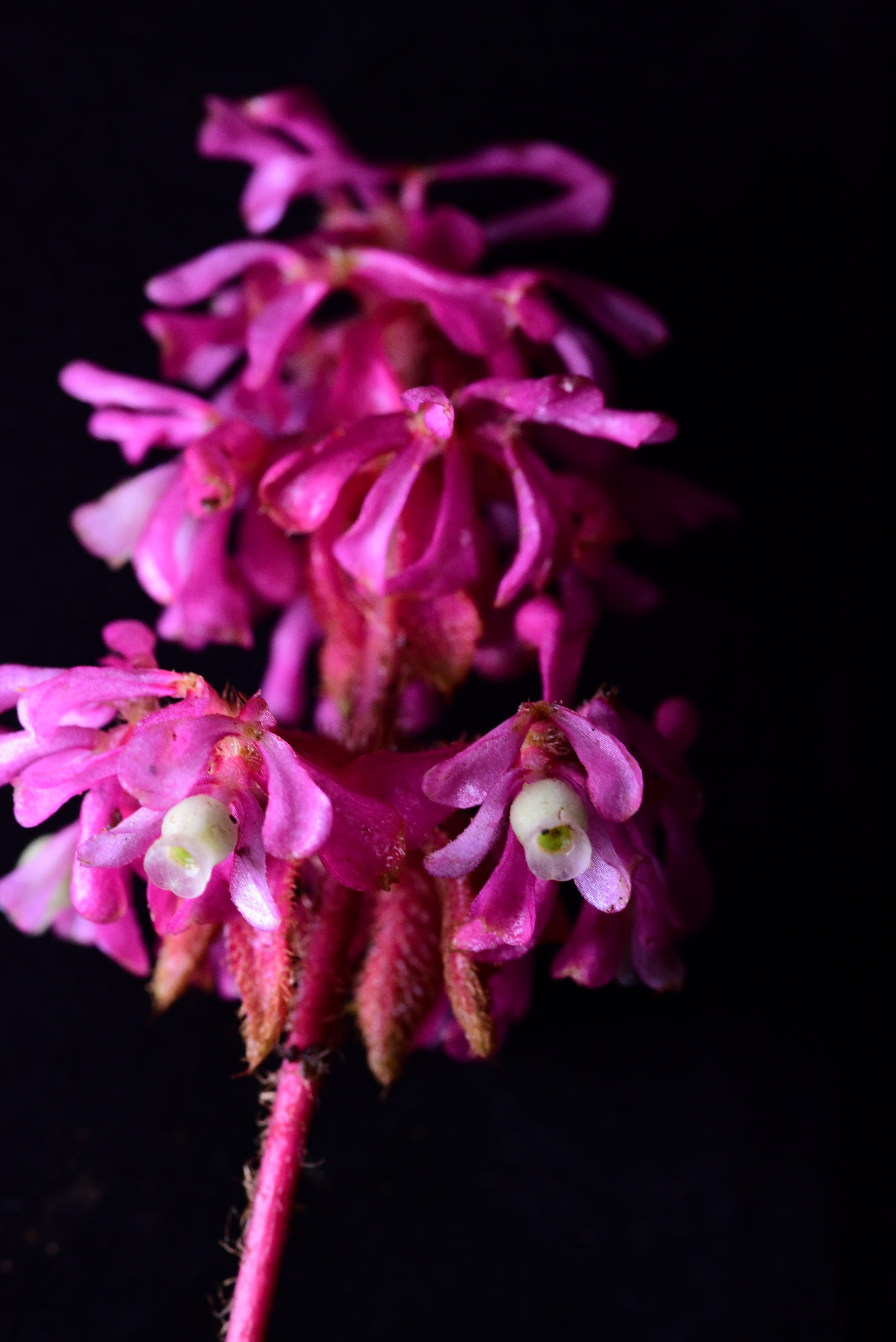
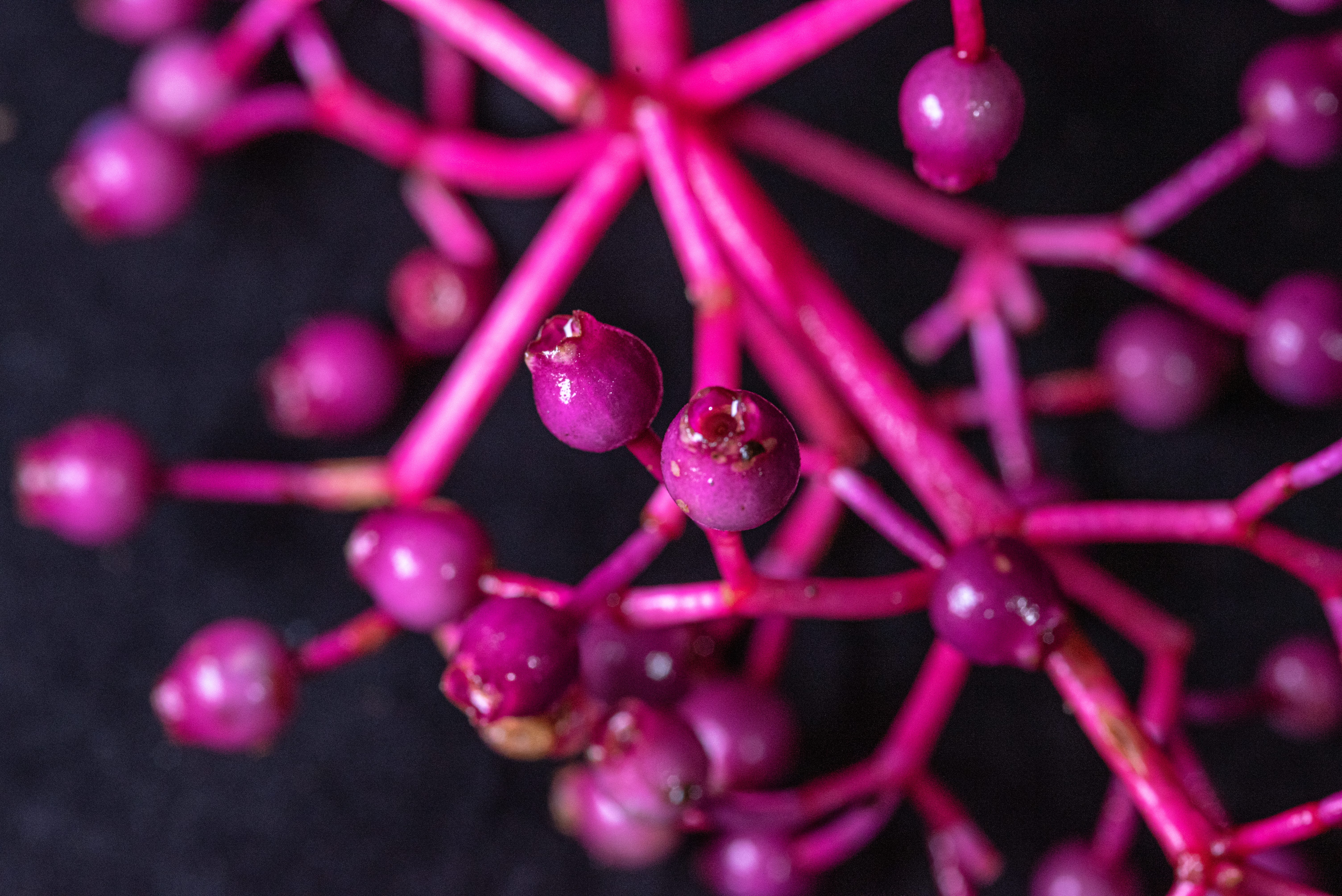
Medinillas abounded at higher elevations, with fruits and flowers present for several different species.
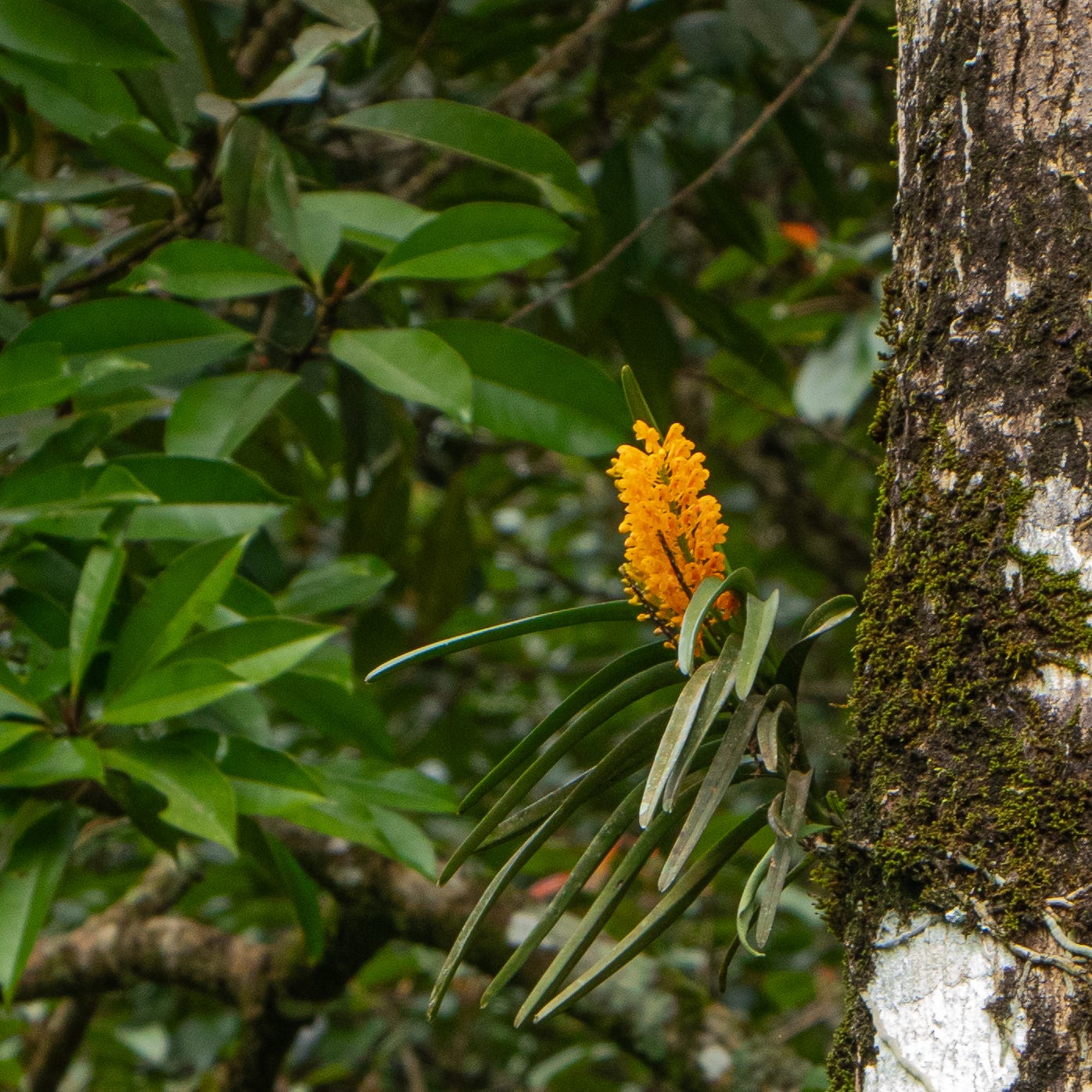
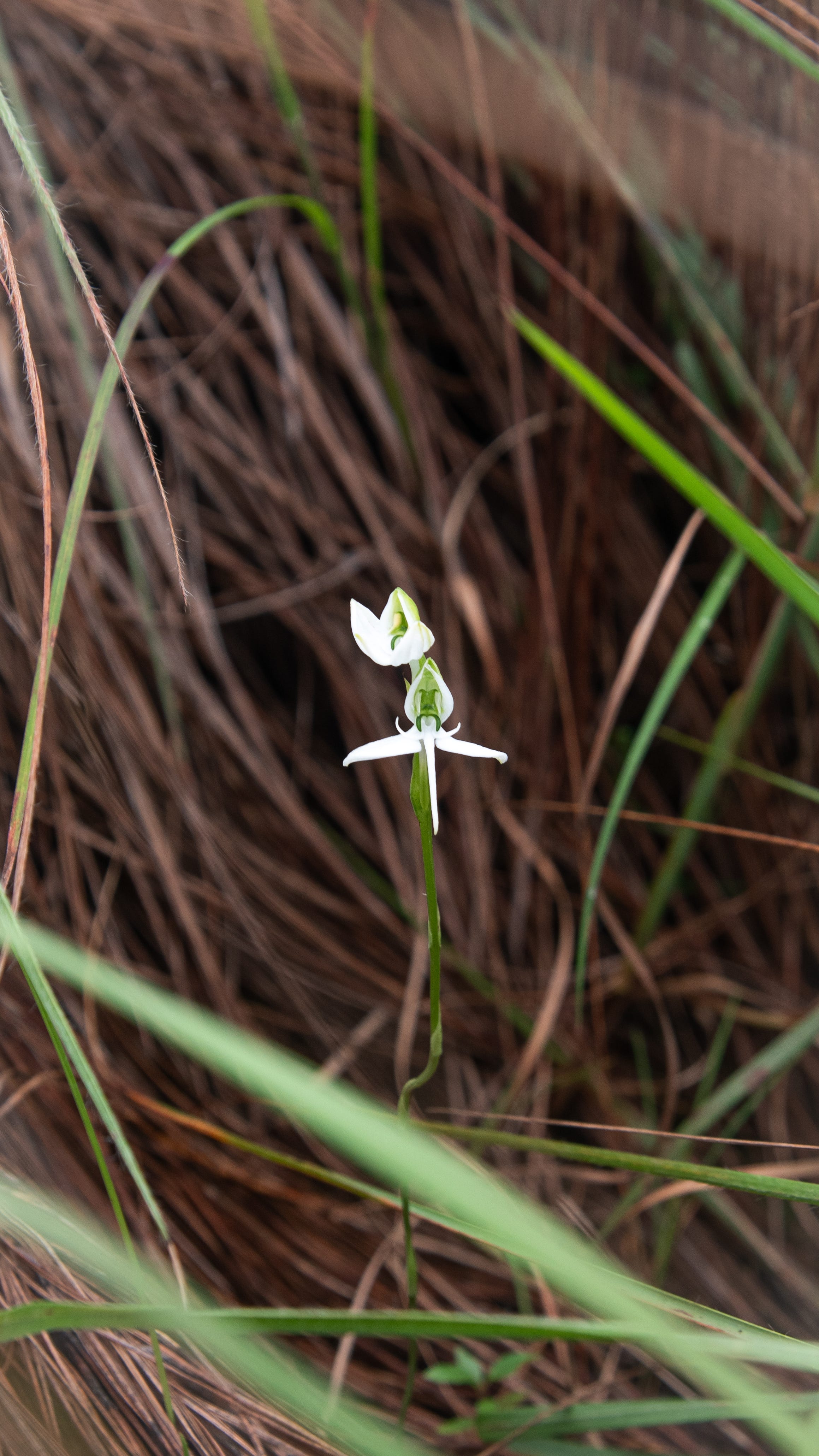
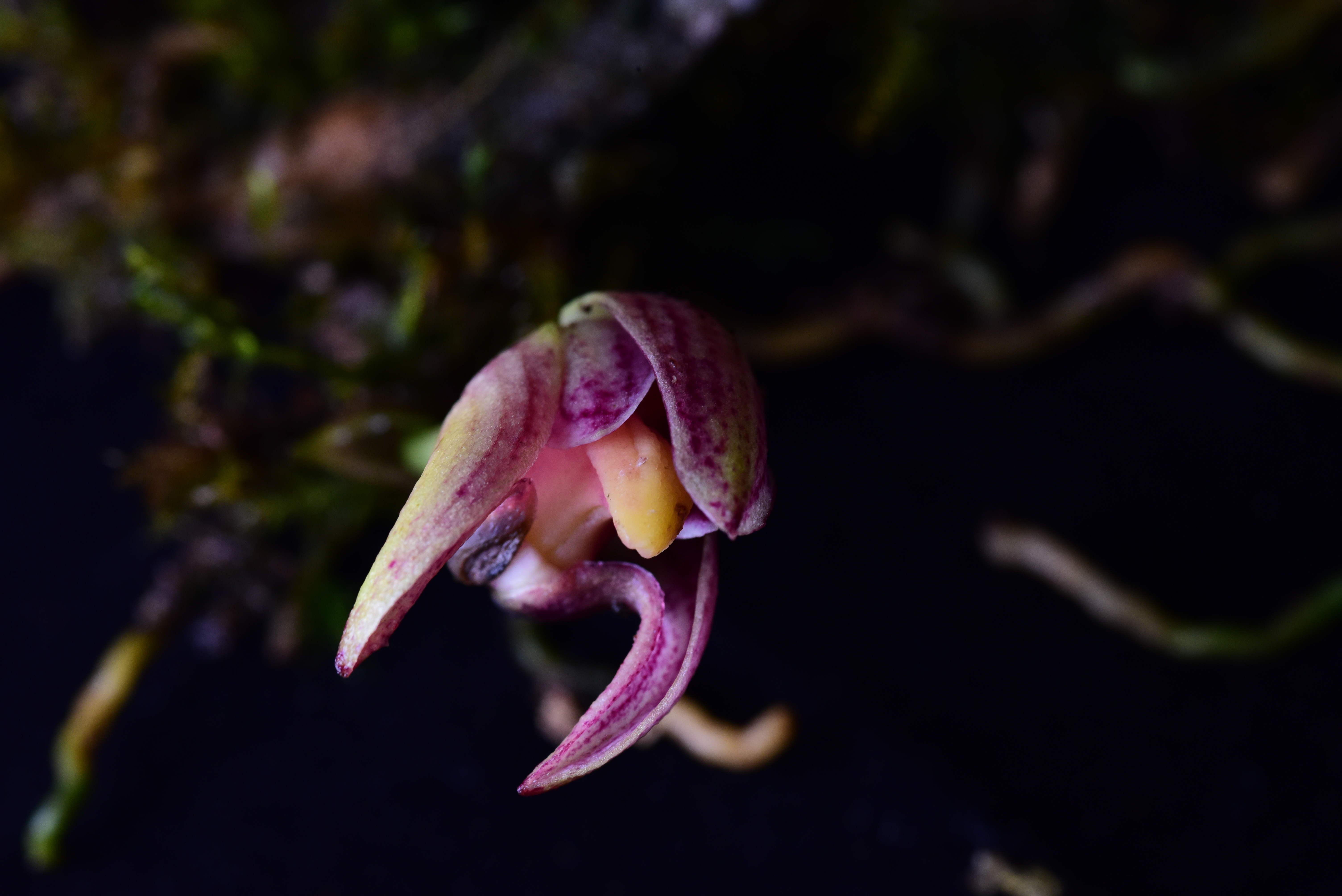
Smaller orchids also dotted the landscape; vandas and bulbophyllums clinging epiphytically, while more spectral habenaria emerge from patches of grass.
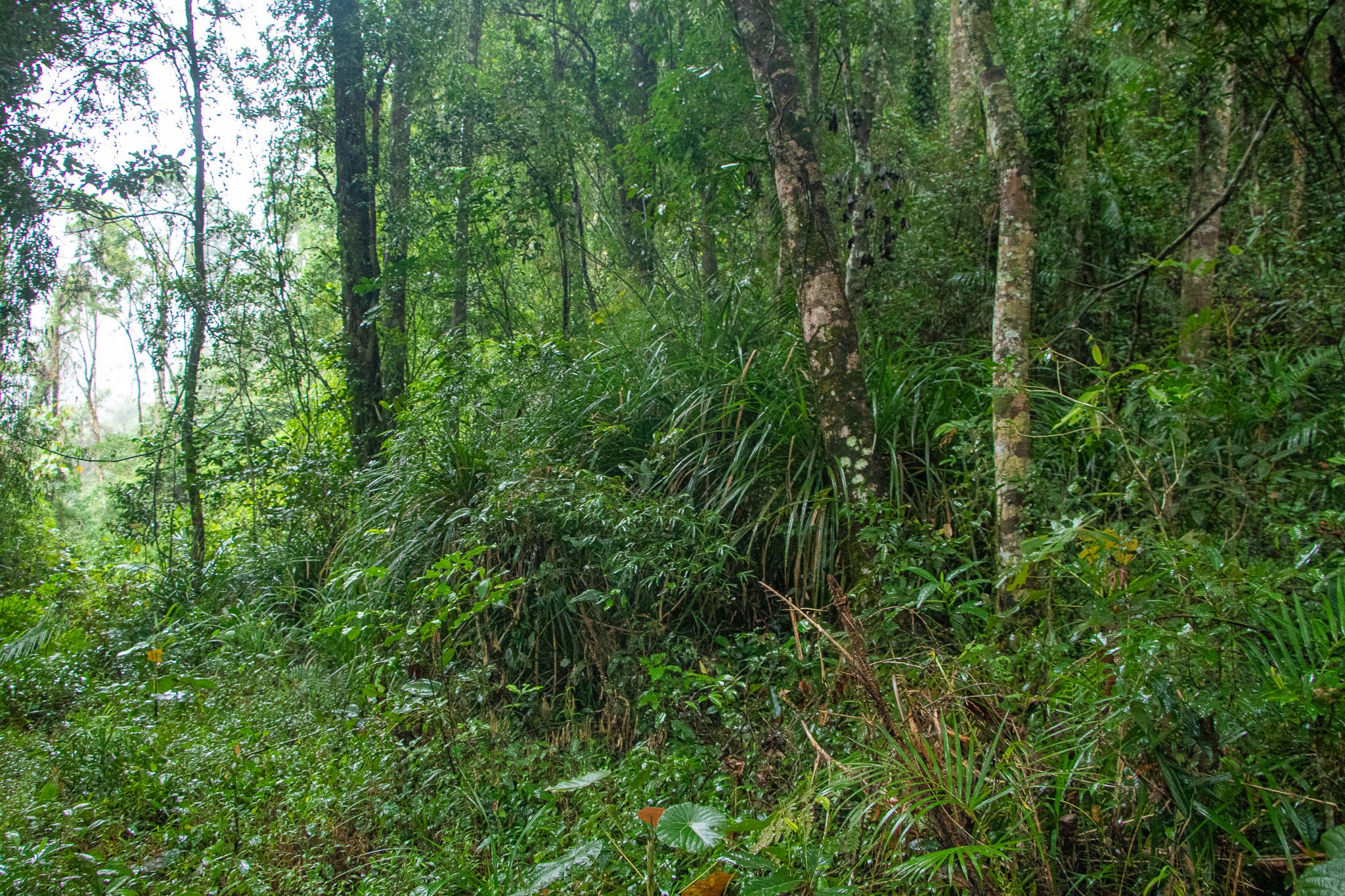
However, the focus of this expedition was the genus Pandanus, which we hoped to begin mapping to better understand its abundance and distribution, particularly as many of its members are endangered. In an unexpected twist, we encountered not just a handful, but hundreds of individuals clustered in dense thickets scattered across the landscape. What struck us was their consistency: every one of these pandan groves occurred in highly disturbed, secondary forest.
While at first glance, the forest canopy still presents an impressive expanse, its ridgelines draped in green, a closer look reveals fractures in the system. The forest is not being lost in great dramatic swaths; it is being nibbled away, hectare by hectare, as farmland gradually clears into its edges.
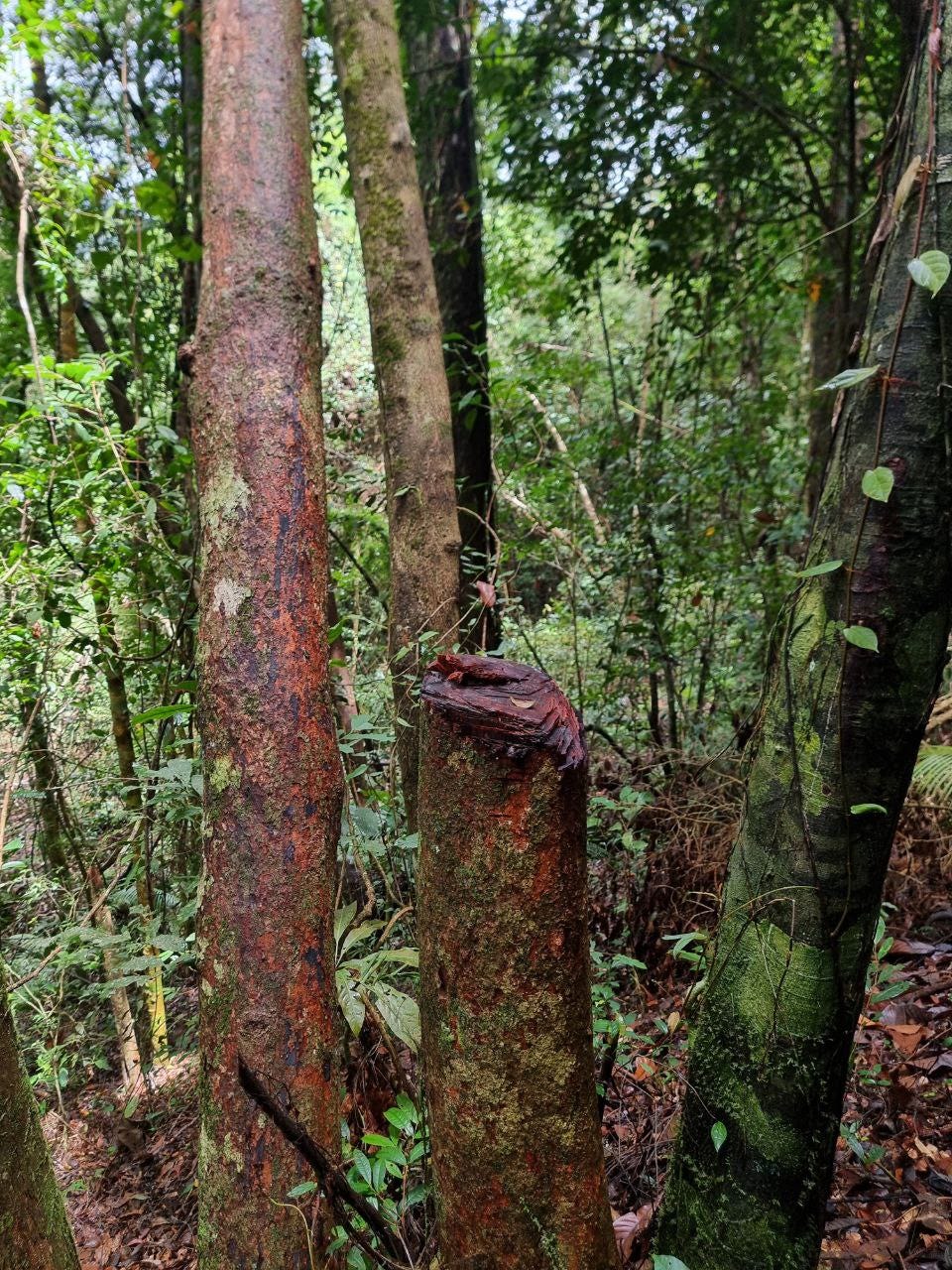
The pattern is painfully familiar. Slopes once thick with native trees now reveal skeletal plots of banana or coffee, planted by migrant communities who arrive in search of livelihood. Their presence is understandable; people do what they must to survive, but the ecological cost is staggering. Thinning forest stands, fragmented habitats, and creeping erosion paint a relentless story of decline. What remains of the primary forest is increasingly hemmed in, its continuity broken by felled dipterocarps and rough-hewn paths.
Pandans, in particular, appear to occupy a paradoxical position in this shifting landscape. Deeper in the forest, they are present but not dominant; in disturbed, secondary growth, they thrive. When larger trees are felled to make way for crops, an explosion of pandan occurs, exploiting light gaps and the looser competition. They seem to be opportunistic species, benefiting from the very disturbances that threaten the broader ecosystem.
This resilience raises uncomfortable questions. If Pandanus expands in secondary forest, then a conservation plan for the genus becomes moot; it looks like, amidst the gradual destruction, pandans thrive. But while the genus may flourish, the larger ecological network, which includes specialist trees, undergrowth communities, and the fauna tied to intact canopy cover, may not. This current spurt of growth in secondary forests may be short-lived; how will it fare in the face of total environmental collapse?
These field notes contain some truly spectacular finds, but the lingering discomfort is hard to shake off. Answers and solutions evade me, but as we continue our work in the watershed, I think constantly of Meadows’ advice:
The future can't be predicted, but it can be envisioned and brought lovingly into being.
An intact forest, and a people that do not need to destroy it to survive, is that too much to ask for?
Written by John Altomonte.
Preserving a species/genus outside its native habitat or natural associations has always struck me as a completely different kind and purpose of conservation. Asking whether it’s “enough” (e.g. even if those pandans in secondary forest keep thriving) doesn’t seem like a worthwhile question? It’s better than extinction obviously but that bar seems too low to mean much.